Category: History of Psychology:

  • Ep 223: Little Albert’s Real Identity – Time to Rewrite the Textbooks

    Ep 223: Little Albert’s Real Identity – Time to Rewrite the Textbooks

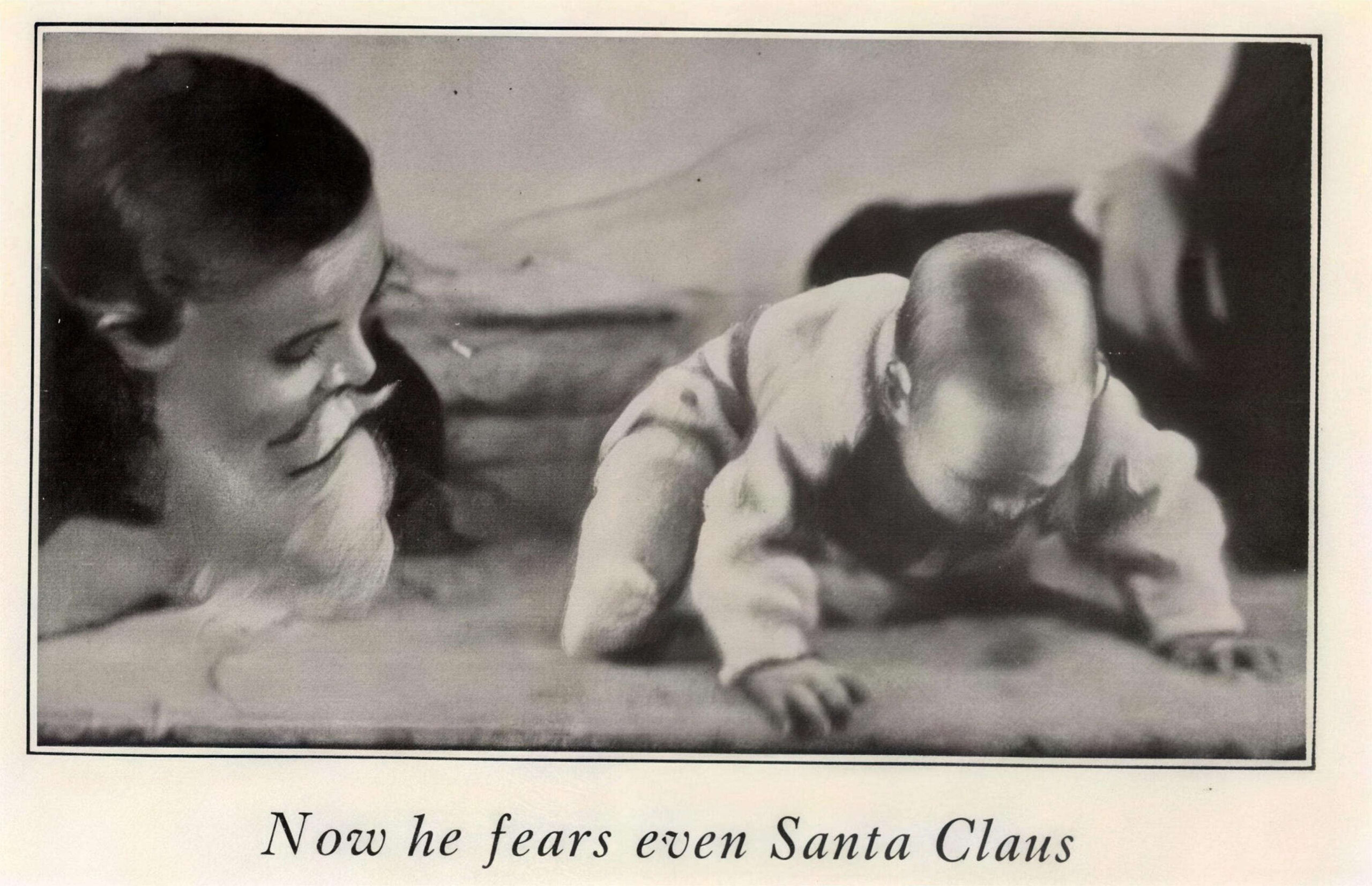
    What was the name of that baby in John Watson’s famous videos in which he attempts to demonstrate that fears can be acquired through conditioning (pairing a loud noise with a furry animal)? A few years ago we were presented with information indicating that a boy named Douglas Merrite was the true identity of “Little Albert”. The data looked pretty convincing at that time. However, a few pieces of that data simply did not fit together for researchers Nancy Digdon, Russell Powell and Ben Harris.

    After another lengthy search into the past, these researchers determined that another child fits the description and the facts of who “Little Albert” really was and that boy’s name is William Albert Barger. As is often true in life, the simple facts require fewer leaps in logic and these facts make the conclusion that William Albert Barger is “Little Albert” inescapable.


    Key Facts in Favor of William Albert Barger as “Little Albert”

    • Was the son of Pearl Barger, one of 3 mothers working at John’s Hopkins during the time of the “Albert” study (Watson stated that “Albert’s” mother was employed by John’s Hopkins at the time of the study)
    • William Albert was born during the two week period that Watson’s data indicate Little Albert was born
    • Was referred to by his family by his middle name
    • Was approximately the same body weight as “Albert’s” reported body weight at the time of the study (The other candidate for Albert’s identity – Douglas Merritte – was approx six pounds under “Albert’s” reported weight
    • Sight and mobility were normal – as were “Albert’s”. Douglas Merritte had significant sight and mobility impairments due to hydrocephalus condition


    In this episode I lay out some of these facts and I think you’ll be convinced as well. Unfortunately, William Albert Barger died in 2007 so researchers weren’t able to talk with him. However, it appears from what was learned from his relatives that he lead a full and rewarding life.

    References

    • Digdon, N., Powell, R. A., Harris, B. (2014). Little Albert’s alleged neurological impairment: Watson, Rayner and historical revision. History of Psychology, 17, 313-324.
    • Powell, R. A., Digdon, N., Harris, B., & Smithson, C. (2014). Correcting the record on Watson and Rayner’s Little Albert: Albert Barger as ‘Psychology’s lost boy’. American Psychologist, 69, 600-611.
  • Ep 215: What Was Life Like in an Asylum?

    Ep 215: What Was Life Like in an Asylum?

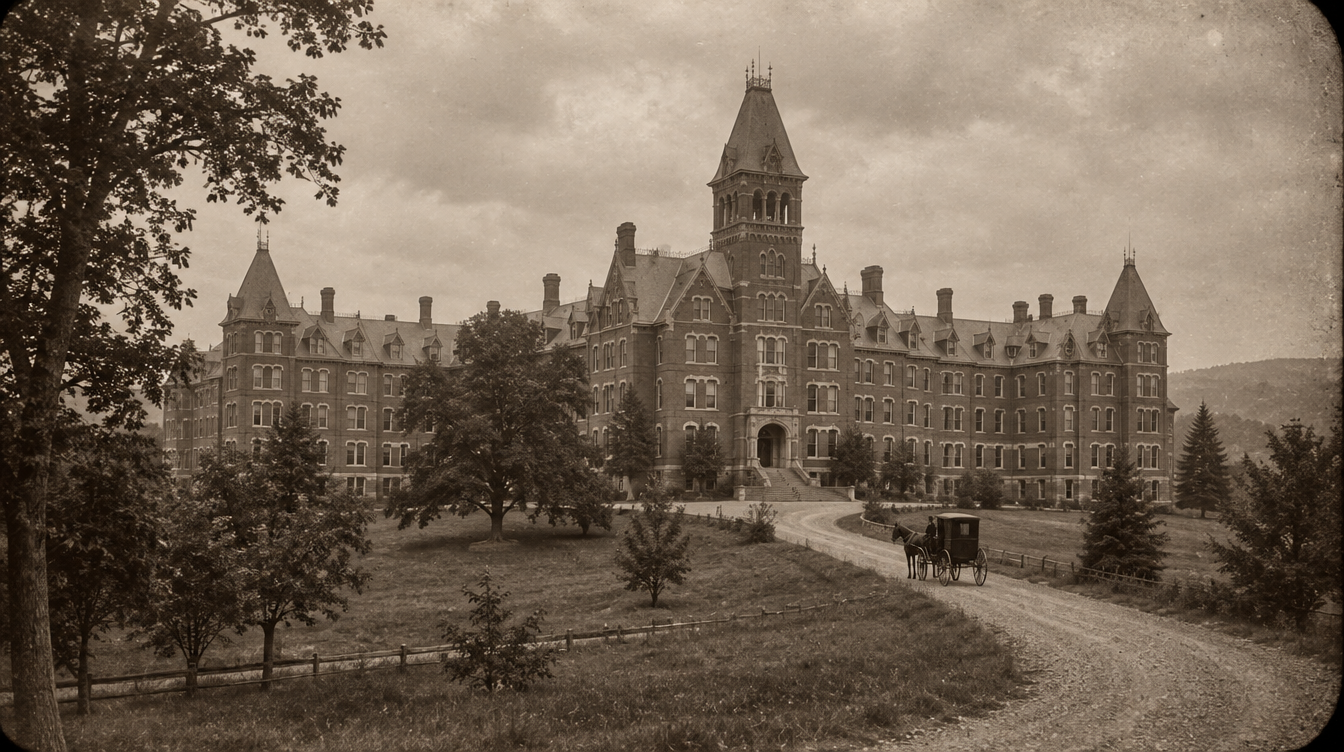
    Have you ever wondered what it was like to be a patient in an “insane asylum”? “Asylums” changed names over the years (including “State Hospital” and “Psychiatric Center”) and so did the treatment of the mentally ill. Hear from Dr. Jennifer Bazar how we went from chaining people up to hydrotherapy to sexual surgery and finally to what is called “moral treatment”. A fascinating walk down the history of psychology with an engaging psychology historian.

  • Episode 27: From Insane Asylum to Psychiatric Center: A Brief History

    Episode 27: From Insane Asylum to Psychiatric Center: A Brief History

    (NOTE: the remaining buildings – except for a few – of what was once the Hudson River Psychiatric Center burned in a fire on June 3, 2026)

    The Evolution of Psychiatric Care

    When we look back at the history of psychiatric care, it’s evident that practices and treatments have evolved tremendously over the years. Dr. Roger Christenfeld, the Research Director of the Hudson River Psychiatric Center, provides a unique insight into this transformative journey.

    A Peek into the Past

    In his interview, Dr. Christenfeld delves into the earlier days of the Hudson River Psychiatric Center, often referred to as an insane asylum. Back then, the terminologies were different, and so were the treatment methodologies. The way psychiatric patients were cared for during the center’s prime years might surprise many of us. Moreover, the stigmatization and misunderstandings surrounding mental health were profound during those times.

    Shifting Paradigms

    As the years progressed, so did our understanding of mental health. The transition from seeing these institutions as “insane asylums” to recognizing them as “psychiatric centers” signifies more than just a name change. It represents a shift in attitudes, approaches, and above all, compassion and understanding. Consequently, the way patients were treated underwent significant transformation, reflecting more humane, research-backed methods.

    A Revelation by Dr. Christenfeld

    Dr. Christenfeld’s accounts offer a fresh perspective. While many might anticipate tales of despair and gloom, there are stories of hope, resilience, and groundbreaking discoveries. By the same token, the interview uncovers some unexpected truths and challenges some preconceived notions about psychiatric care in earlier times.

    Conclusion

    In conclusion, understanding the history of psychiatric care is crucial. It not only sheds light on our past but also paves the way for future improvements. Dr. Christenfeld’s interview is an enlightening resource for anyone keen on learning about the evolution of psychiatric centers. The stories, experiences, and knowledge he shares serve as a testament to the ever-evolving field of psychiatry. After all, as history has shown us, change is the only constant.

    (cover image: Photo by Daniel Case, via Wikimedia Commons, licensed under CC BY-SA 3.0 (https://creativecommons.org/licenses/by-sa/3.0/). Source: https://commons.wikimedia.org/wiki/File:Hudson_River_Psychiatric_Center_front_view.jpg)